Khajjiar: Complete Guide to the "Mini Switzerland of India"
By reor
05.10.2026
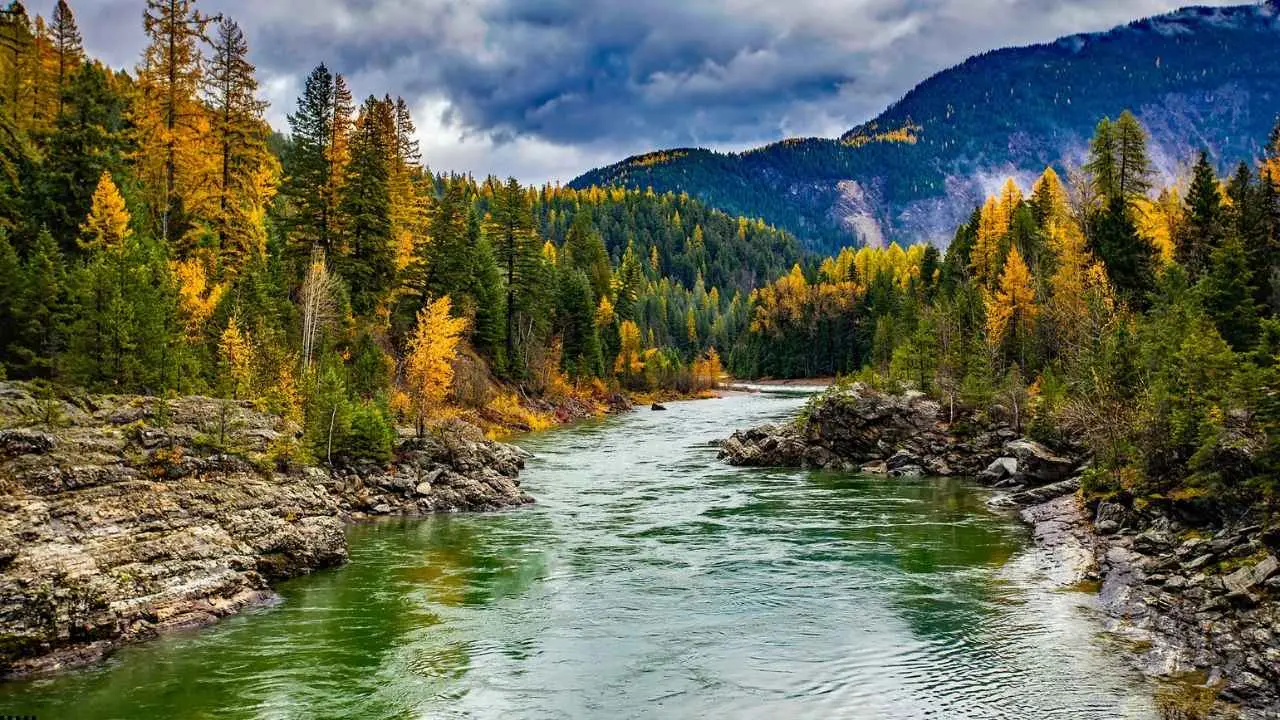
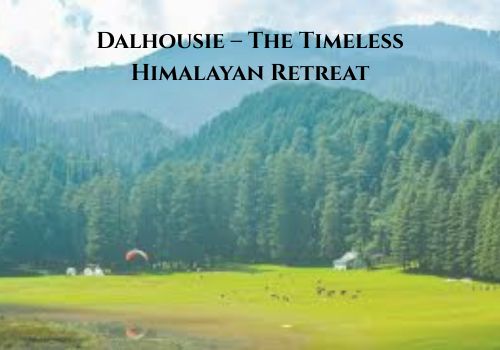
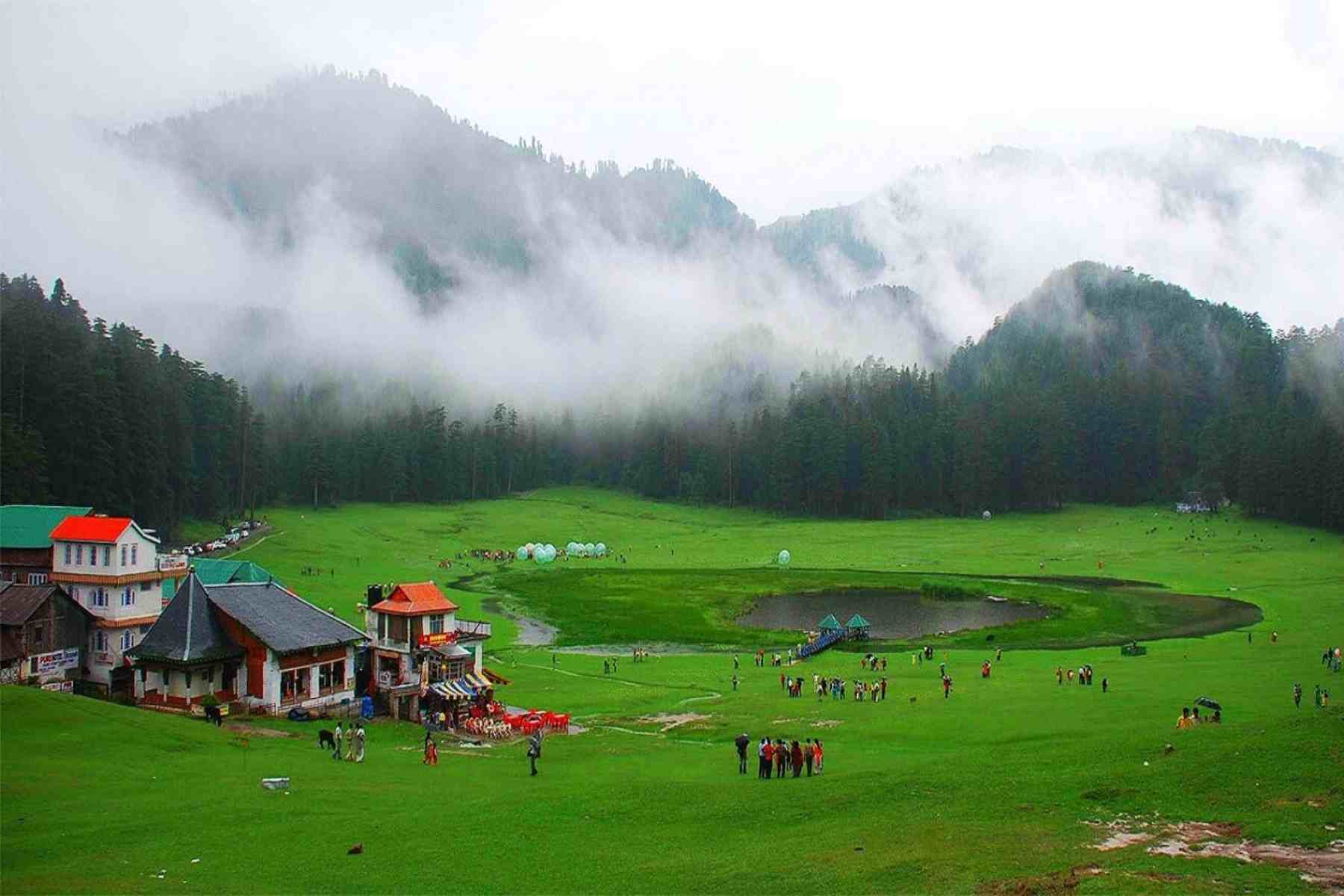
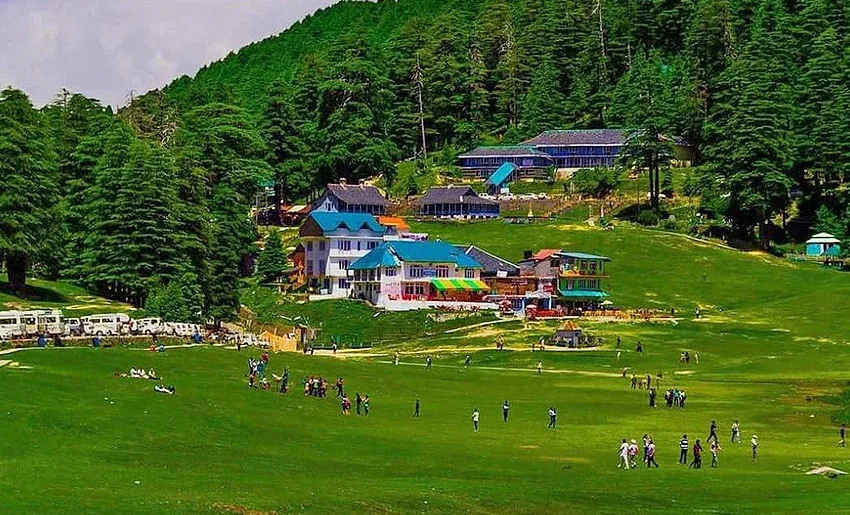
Twenty-one kilometers from Dalhousie, tucked between forested ridgelines in the Dhauladhar range, sits a meadow that's earned itself a nickname most places would struggle to live up to: Mini Switzerland. Khajjiar's reputation precedes it, and for once, the comparison isn't just marketing — a wide, saucer-shaped green meadow ringed by dense deodar forest, with a small lake at its center and mountain views stretching out on every side.
For most visitors, Khajjiar is a day trip built around a Dalhousie stay rather than a destination on its own, and that's exactly how it works best. This guide covers when to go, what to actually do once you're there, how far it is and how to get there, and how to build it into a Dalhousie itinerary properly.
Where Is Khajjiar and How Far Is It From Dalhousie?
Khajjiar sits about 21 km from Dalhousie and roughly 20 km from Chamba, positioned almost exactly between the two in the Chamba district of Himachal Pradesh. At 1,951 meters above sea level, it's slightly lower in elevation than Dalhousie itself, which is part of why its climate feels a touch milder even in cooler months.
The drive from Dalhousie takes around 45 minutes to an hour, depending on road conditions, winding through the Kalatop forest route — itself one of the more scenic stretches of road in the region, so the journey is as much a part of the experience as the destination.
Best Time to Visit Khajjiar
Summer (March–June) is the most popular window, with comfortable daytime temperatures and the meadow at its greenest. This is also when seasonal activities like zorbing are most readily available, particularly through April and May.
Monsoon (July–September) brings intense green cover and dramatic cloud cover rolling through the valley, though rain can disrupt day-trip plans — worth checking conditions before committing to a Khajjiar day from Dalhousie during this stretch.
Autumn (October–November) offers clear skies and crisp air, with the meadow transitioning out of peak green but still pleasant, and noticeably fewer crowds than summer.
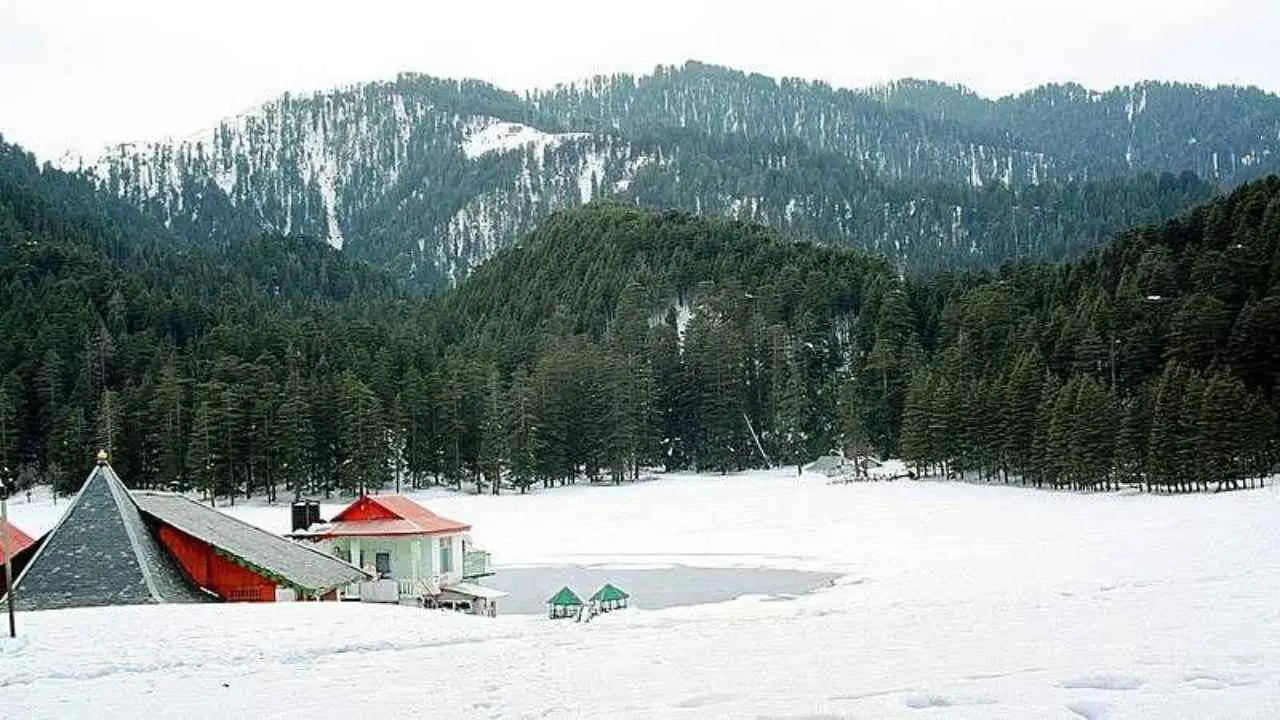
Winter (December–February) transforms Khajjiar into a genuine snow destination — this is when the meadow most dramatically earns its "Mini Switzerland" comparison, with the open field blanketed in white. January is typically the most reliable month for this.
Top Things to Do in Khajjiar
The Meadow Itself
The centerpiece. A wide, open, emerald-green meadow (whitened over in winter snow) ringed by forest — most visitors spend their first stretch simply walking the open ground and taking in the full panorama.
Khajjiar Lake
A small lake at the edge of the meadow, notable for patches of floating grass that drift across its surface — a distinctive, slightly unusual sight worth a few minutes on its own.
Khajji Nag Temple
A 12th-century shrine dedicated to the Hindu serpent deity Khajji Nag, with distinctive wooden architecture and stone idol work. A quick but worthwhile stop for anyone interested in the region's older religious sites.
Khajjiar to Dainkund Trek
A manageable 3.5 km trek connecting Khajjiar to Dainkund Peak — the highest point in the Dalhousie area. Well-suited to beginners and families, and a good way to extend a Khajjiar visit into something more active, with genuinely rewarding panoramic views at the top.
Zorbing and Seasonal Activities
Zorbing — rolling downhill inside a large inflatable ball — is a popular seasonal activity at Khajjiar, most readily available through April and May. Horse riding around the meadow is also commonly available for a more relaxed way to take in the surroundings.
How Much Time Do You Need at Khajjiar?
Most visitors treat Khajjiar as a half-day trip — roughly 3 to 4 hours is enough to walk the meadow, visit the lake and temple, and fit in an activity or two, without needing an overnight stay. If you're planning to also do the Dainkund trek, budget closer to a full day.
Building Khajjiar Into a Dalhousie Trip
Khajjiar works best as a day trip from a Dalhousie base rather than a standalone stay, since accommodation options directly at Khajjiar are limited compared to Dalhousie itself. Basing yourself in Dalhousie and driving out for the day keeps your options open — you get Dalhousie's broader range of stays and dining while still reaching Khajjiar easily.
Properties positioned on the Dalhousie side closer to Kalatop — rather than right in the town center — often have a real advantage here, since the route to Khajjiar runs through that same forest belt, cutting meaningful time off the drive compared to starting from Gandhi Chowk.
Where to Stay for Easy Khajjiar Access
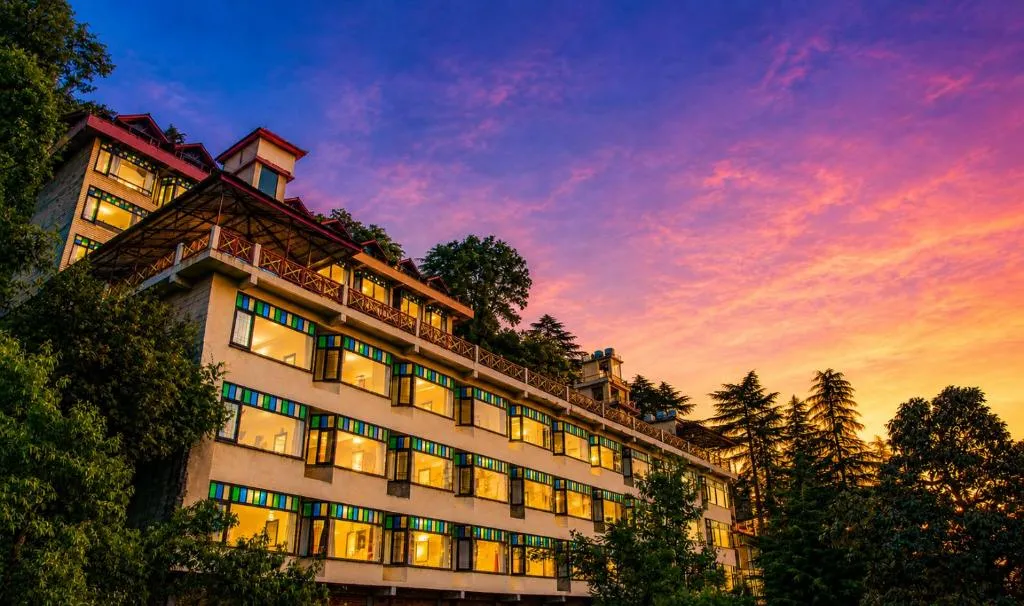
WOW STAYZ2 Ashoka Grand sits in the forested Talai belt near Kalatop Wildlife Sanctuary — on the same side of Dalhousie as the Khajjiar route, which shortens the drive noticeably compared to hotels based near Gandhi Chowk. With mountain-view rooms, an on-site restaurant, and easy road access to both Khajjiar and Kalatop, it's a practical, scenic base for travelers prioritizing a Khajjiar day trip.
Check rooms, tariff, and availability at Ashoka Grand →
Practical Tips for Visiting Khajjiar
- Start early if combining Khajjiar with the Dainkund trek, since the full combination takes most of a day
- Check road conditions before a monsoon-season visit, as rain can affect the drive
- Carry warm layers even in shoulder-season months, since the open meadow can feel colder than expected due to wind exposure
- Winter visitors should confirm road status toward Khajjiar after snowfall, as access can occasionally be slowed
Frequently Asked Questions
How far is Khajjiar from Dalhousie?
Approximately 21 km, roughly a 45-minute to one-hour drive through the scenic Kalatop forest route.
What is the best time to visit Khajjiar?
Summer (March–June) is most popular for pleasant weather and greenery, while winter (December–February) offers a genuine snow experience. Autumn (October–November) is a good quieter alternative with clear skies.
Can Khajjiar be visited as a day trip from Dalhousie?
Yes — most visitors see Khajjiar as a half-day to full-day trip from a Dalhousie base, rather than staying overnight there directly.
Is Khajjiar good for trekking?
Yes, the Khajjiar to Dainkund Peak trek is a manageable 3.5 km route suitable for beginners and families, with strong panoramic views at the top.
Why is Khajjiar called Mini Switzerland?
Its wide, open, Alpine-style meadow surrounded by forest and mountains has drawn the comparison to Switzerland's landscapes, and the name has stuck as its most recognized nickname.
Final Thoughts
Khajjiar earns its reputation with very little effort on the visitor's part — a short drive from Dalhousie delivers one of the region's most distinctive landscapes, whether you're there for a quiet walk across the meadow, the Dainkund trek, or simply the view. Pair it with a Dalhousie stay positioned for an easy drive out, and it's one of the most straightforward highlights to build into any Himachal hill-station trip.
Popular
Top 10 Places to Visit in Pachmarhi: A Complete 2026 Guide
Dharamkot: The "Mini Israel" of India — Cafés, Treks & Where to Stay
Dalhousie – The Timeless Himalayan Retreat
Summers in Dharamkot
3-Day Pachmarhi Itinerary: The Perfect Weekend Getaway
Top 5 Pachmarhi Hidden Gems Most Visitors Miss
Top 10 Places to Visit in Dalhousie: A Complete 2026 Guide
Best Time to Visit Dalhousie: Season-by-Season Guide (2026)
Dalhousie Snowfall: Which Months It Snows & Where to See It (2026 Guide)
Dalhousie in October: Weather, What to Pack, and Where to Go
Dalhousie in September: Post-Monsoon Weather & Tips
Top 10 Best Resorts in Dalhousie for a Peaceful Himalayan Getaway (2026 Guide)
How to Reach Dalhousie: Distance & Route Guide from Delhi, Chandigarh, Amritsar
WOW STAYZ2 Ashoka Grand vs Staying Near Gandhi Chowk: Which Should You Book?
Dalhousie in November: Weather, What to Expect & What to Pack
Khajjiar: Complete Guide to the "Mini Switzerland of India"
The Lodge, Dharamkot vs Staying in McLeodganj: Which Should You Book?
Hotels Near Khajjiar: Why Ashoka Grand is the Smarter Base