Top 10 Places to Visit in Dalhousie: A Complete 2026 Guide
By reor
11.09.2026
By WOW Stayz | Updated January 2026
Perched across five hills in the Chamba district of Himachal Pradesh, Dalhousie is one of North India's most charming colonial-era hill stations. Founded by the British in the 1850s and named after Lord Dalhousie, the town still carries an unmistakable old-world calm — Victorian bungalows, stone churches, and long walking roads that wind through thick deodar and pine forest. Cooler, quieter, and far less crowded than many of Himachal's better-known towns, Dalhousie is the kind of place where the pace slows down the moment you arrive.
What makes it special is how much variety sits within easy reach. In a single trip you can wander misty meadows, trek to a whistling mountain peak, cool off beside a seven-stream waterfall, sit in a 160-year-old church, and take a day trip to Khajjiar — the grassland so green and mountain-ringed that it's called the "Mini Switzerland of India." Whether you have a relaxed weekend or a longer break, this guide covers the ten places worth building your trip around, along with a ready-made itinerary, the best time to visit, how to get there, and where to stay.
Quick Trip Planner: Dalhousie Essentials
Best time to visit: March to June for pleasant summer weather, or December to February if you want to see Dalhousie and Khajjiar under snow. The monsoon (July to September) brings lush green landscapes but occasional travel disruption.
How to reach Dalhousie: The nearest railway station is Pathankot, about 80 km away and well connected to Delhi and Amritsar. From there, taxis and buses cover the scenic climb up to Dalhousie in roughly two to three hours. The nearest airport is Gaggal (Kangra), around 120 km away.
Ideal duration: Two days is enough to cover the town and a Khajjiar day trip comfortably. A third day lets you add Chamera Lake or a Dainkund Peak trek without rushing.
Getting around: Dalhousie's sights are spread across the hills and out toward Chamba, so a hired taxi or a car makes the days far easier. The town centre — Gandhi Chowk, the churches, the walking roads — is best explored on foot.
Best Places to Visit in Dalhousie
1. Khajjiar — The "Mini Switzerland of India"
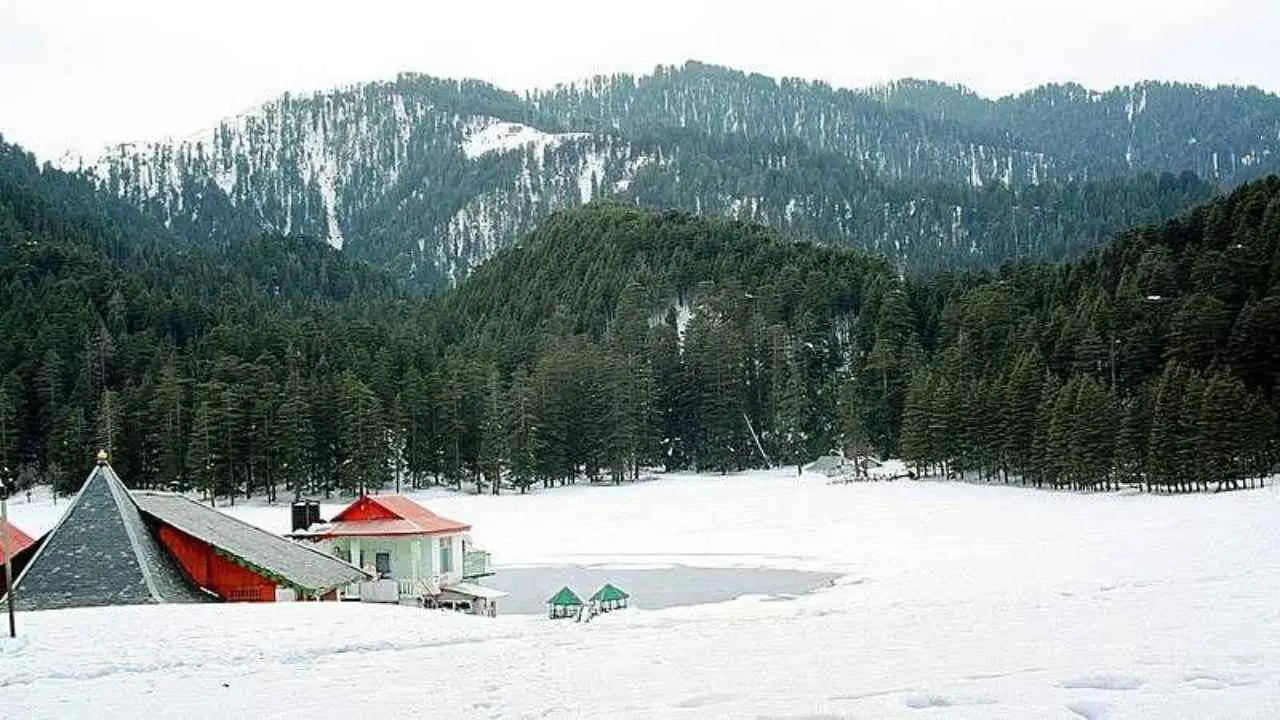
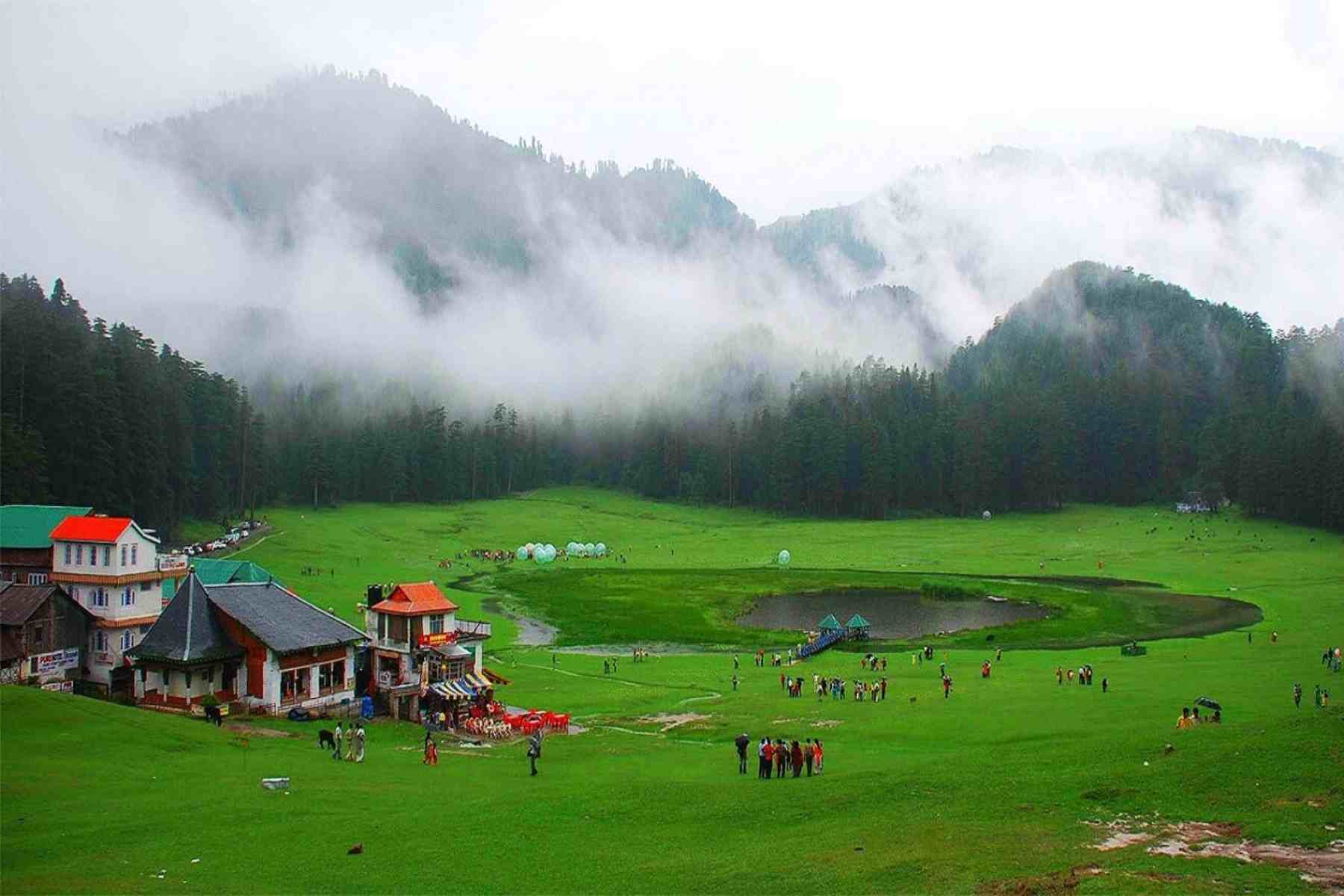
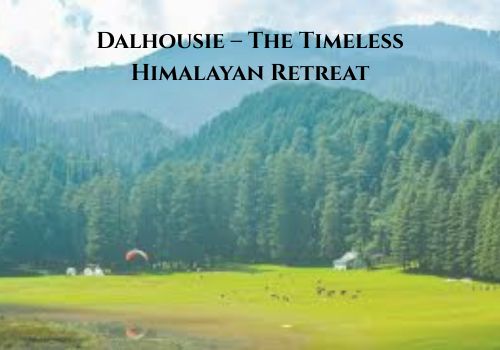
If you visit only one place near Dalhousie, make it Khajjiar. About 24 km away through the Kalatop forest, this saucer-shaped meadow of soft green grass is ringed by dense deodar trees and framed by distant snow peaks, with a small lake resting at its centre. The resemblance to alpine Switzerland is strong enough that there's even a marker declaring it the "Mini Switzerland of India."
Beyond the views, Khajjiar is genuinely fun: you can try zorbing (rolling downhill inside a giant transparent ball), go horse riding across the meadow, or simply spread out on the grass and let the afternoon drift by. It's the highlight day trip of any Dalhousie itinerary, and it's just as rewarding whether you're travelling with family, a partner, or on your own.
Best time: March to June for green meadows, or winter for a chance of snow. Good to know: Go early to enjoy the meadow before the day-trip crowds arrive around midday.
2. Dainkund Peak
At the highest point around Dalhousie, Dainkund Peak is known as the "Singing Hill" — a name that comes from the soft, whistling sound the wind makes as it moves through the slopes and shrubs. A moderate trek leads to the summit, where the reward is a sweeping panorama of the Dhauladhar and Pir Panjal ranges rolling away in every direction. Near the top sits the Pholani Devi Temple, adding a quiet spiritual note to the climb.
For anyone who enjoys trekking, photography, or just standing somewhere high and open with the wind in their ears, Dainkund is the most memorable outdoor experience in the area.
Best time: Cooler months for a comfortable climb; early morning for the clearest views. Good to know: Wear proper shoes — the trail is straightforward but exposed in places.
3. Satdhara Falls
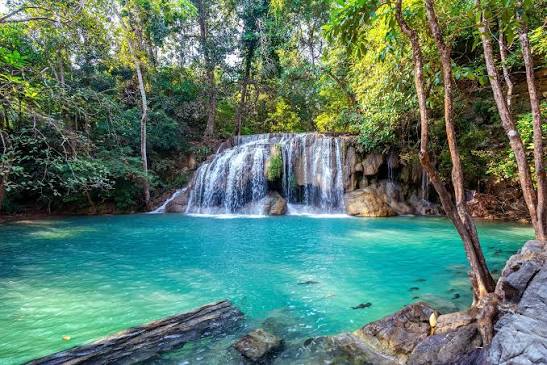
Tucked into the folds of the Chamba Valley, Satdhara — literally "seven streams" — is a cascade fed by seven natural springs. Local belief holds that the water carries medicinal, mica-rich properties, and the short forest walk in only adds to the sense of stepping into somewhere restorative. The pool at the base is a lovely place to dip your feet and cool off after the trail.
It's a quieter, gentler stop than the busier viewpoints, and a good choice when you want a slower stretch of the day surrounded by trees and running water.
Best time: Post-monsoon (September to November) for the strongest flow. Good to know: The path can be slippery after rain, so tread carefully.
4. Panchpula
Panchpula, meaning "five bridges," is one of Dalhousie's most popular attractions — a network of small streams and interconnecting bridges that lead to a cheerful waterfall. The site is also home to a memorial dedicated to the freedom fighter Sardar Ajit Singh, uncle of Bhagat Singh, who spent his final days here. The result is a spot that blends easy natural beauty with a piece of India's history.
The walk through the streams and over the little bridges is especially enjoyable for families, and the surrounding greenery makes it a favourite picnic stop.
Best time: Spring and post-monsoon, when the water is flowing well. Good to know: There are small cafés and stalls near the entrance for snacks and tea.
5. St. John's Church
Built in 1863, St. John's Church is the oldest church in Dalhousie and one of its most atmospheric heritage sites. Standing in Neo-Gothic stone near Gandhi Chowk and shaded by tall deodar trees, it holds beautiful stained-glass windows and a small collection of old books and photographs that trace the town's colonial past. Step inside and the quiet is immediate — it's a genuine pause from sightseeing rather than just another photo stop.
Best time: Any time of year; the interior stays cool and calm. Good to know: It's an active place of worship, so dress and behave respectfully inside.
6. Kalatop Wildlife Sanctuary
Spread across dense deodar and oak forest between Dalhousie and Khajjiar, Kalatop Wildlife Sanctuary is a protected haven for nature walks and birdwatching. The name roughly means "black cap," a nod to the dark canopy that covers the hills here. Walking its shaded trails, you might spot deer, langurs, a wealth of Himalayan birds, and — for the lucky and quiet — signs of the black bear that lives in the region.
Because it sits right on the road to Khajjiar, Kalatop pairs perfectly with that day trip, letting you break the drive with a forest walk.
Best time: Morning, when wildlife is most active. Good to know: Entry may require a small permit; check at the forest checkpoint.
7. Bara Pathar
A lesser-known gem on the outskirts of town, Bara Pathar is centred on the revered Bhulwani Mata Temple, set among thick greenery and framed by mountain views. The name means "big stone," and the temple's peaceful, slightly hidden setting makes it a favourite with photographers and anyone seeking a calm, uncommercial corner of Dalhousie.
It's the sort of place that rewards travellers who like to wander a little off the main circuit, away from the busier viewpoints.
Best time: Late morning to afternoon for the best light. Good to know: Combine it with nearby forest stops on the Khajjiar road.
8. Ganji Pahari
Ganji Pahari — "bald hill" — earns its name from a treeless summit that stands out among the surrounding forested slopes. That bareness is exactly what makes it worth the short, easy trek: from the top you get an uninterrupted 360-degree sweep of the landscape, with no trees blocking the view. It's an especially rewarding spot at sunset, when the light spreads long across the hills.
For a low-effort walk with an outsized payoff, few places near Dalhousie beat it.
Best time: Late afternoon for sunset views. Good to know: The trail is gentle and suitable for most fitness levels.
9. Subhash Baoli
Subhash Baoli is a natural spring named after Netaji Subhash Chandra Bose, who is said to have spent time here in quiet contemplation while recovering his health. Ringed by tall trees and offering serene valley views, it's a reflective, restful spot rather than a bustling attraction — a good place to sit for a while and take in the stillness that defines Dalhousie at its best.
Best time: Any season; especially peaceful on weekday mornings. Good to know: It's a short walk from the town centre, easy to fit into a Day 1 plan.
10. Chamera Lake & Dam
About 25 to 30 km from Dalhousie, Chamera Lake is a large reservoir on the Ravi River, set against a dramatic mountain backdrop. It's the area's go-to spot for water activities — boating and kayaking are both popular — and the drive down to the lake is scenic in its own right. As a half-day add-on, it offers a completely different landscape to the forests and meadows higher up, making it a refreshing change of scene.
Best time: Spring and autumn for calm, clear conditions. Good to know: Water levels and boating availability vary by season, so check locally before heading down.
More Worth Seeing in and Around Dalhousie
If you have extra time, walk the Garam Sadak and Thandi Sadak — the "hot" and "cold" roads, named for how much sun each catches — which are lovely for a slow stroll between viewpoints. Gandhi Chowk and Subhash Chowk, the town's two main squares, are the best places for shopping, Tibetan handicrafts, and café stops. And if you're continuing on to Chamba, the historic Rang Mahal palace and the ancient Lakshmi Narayan temples are well worth the detour.
Dalhousie 2-Day Itinerary
Day 1 — Town, Heritage & Waterfalls
Begin in Gandhi Chowk and visit St. John's Church, then take a gentle walk along Thandi Sadak. Head to Panchpula for its bridges and waterfall, followed by Satdhara Falls for a forest-shaded pause. Wind down with sunset at Ganji Pahari, and spend the evening browsing the shops and cafés around Subhash Chowk.
Day 2 — Khajjiar & the Forests
Set out after breakfast for the day's highlight: Khajjiar. Break the drive with a stop at Kalatop Wildlife Sanctuary for a short forest walk, then spend the middle of the day in the Khajjiar meadow — zorbing, horse riding, or simply relaxing on the grass. Return to Dalhousie by evening.
Have a third day? Add Chamera Lake for boating, or trek up Dainkund Peak in the morning for the best views of the trip.
Best Time to Visit Dalhousie
Summer, from March to June, is the peak season — days are pleasant, the hills are green, and it's the perfect escape from the heat of the plains. This is the ideal window for sightseeing, Khajjiar, and easy treks.
Winter, from December to February, transforms Dalhousie and Khajjiar into a snow-dusted wonderland. It's cold, but for travellers hoping to see and play in the snow, this is the season to come.
The monsoon, from July to September, cloaks the region in deep green and fills the waterfalls, though the occasional heavy rain can affect travel and trails. If lush scenery matters more to you than guaranteed clear skies, it has its own quiet appeal.
How to Reach Dalhousie
By air: The nearest airport is Gaggal (Kangra), about 120 km away, with connections to Delhi. From there, taxis make the onward journey to Dalhousie.
By train: Pathankot, roughly 80 km away, is the nearest major railway station and is well connected to Delhi, Amritsar, and other cities. Taxis and buses run regularly from Pathankot up to Dalhousie.
By road: Dalhousie is connected by good mountain roads to Pathankot, Chamba, Dharamshala, and Amritsar. Regular buses and shared taxis serve these routes, and the climb up through the hills is scenic throughout.
Where to Stay in Dalhousie — WOW Stayz Ashoka Grand
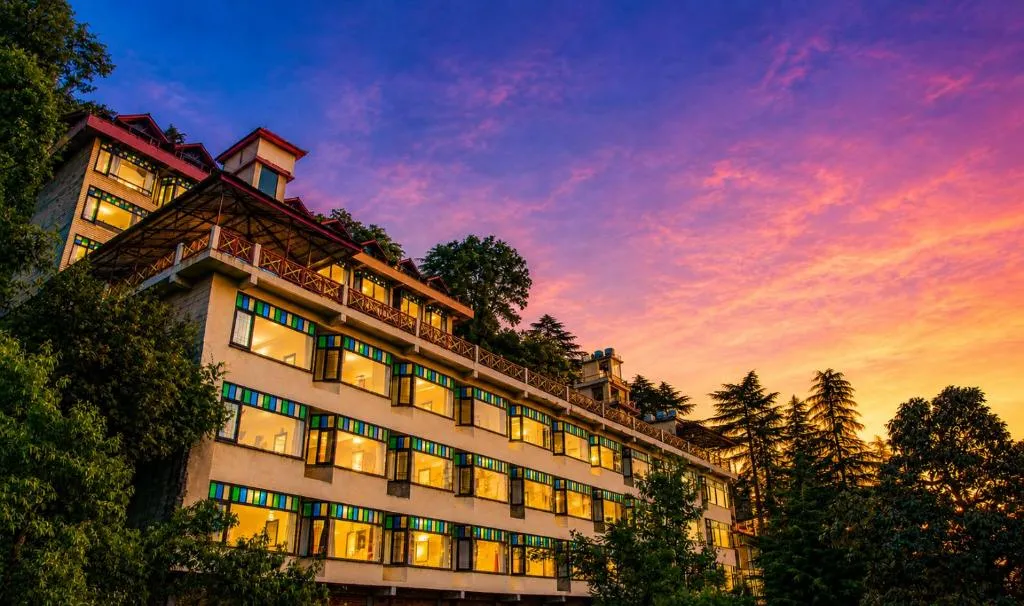
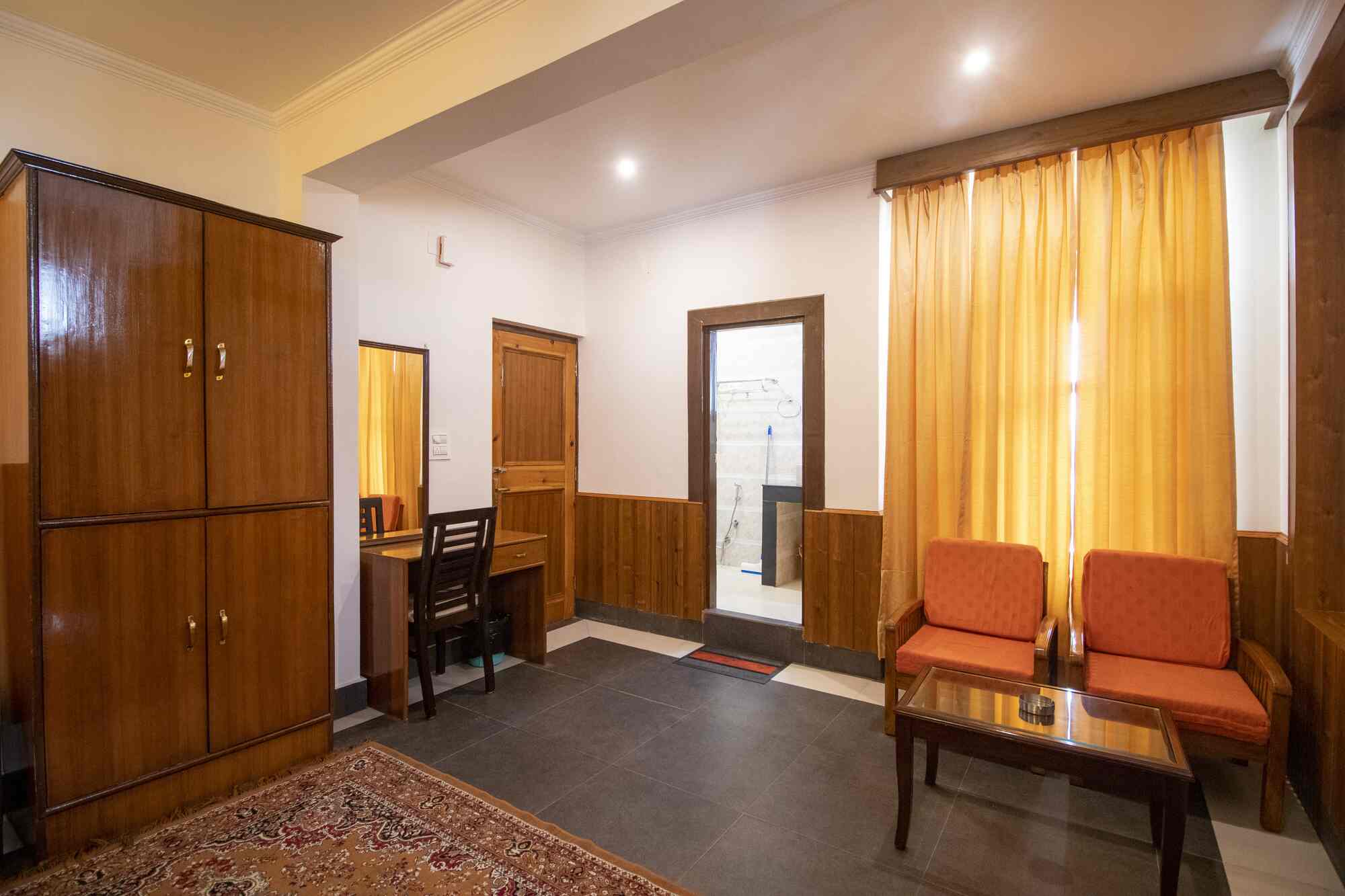
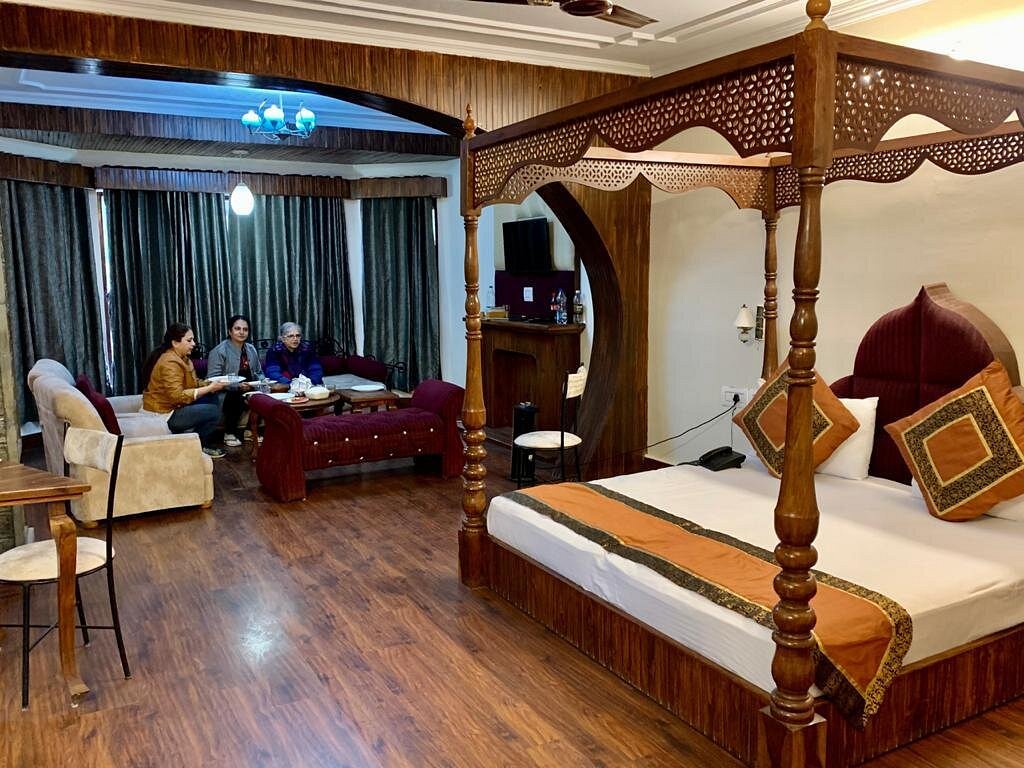
For a comfortable base that keeps you close to the action, WOW Stayz Ashoka Grand is a four-star property near Gandhi Chowk, surrounded by pine forest and set against stunning Dhauladhar views. It offers a wide range of mountain-view rooms, modern amenities, and warm hospitality, with easy access to Dalhousie's main sights and the road to Khajjiar. Guests also enjoy the convenience of free cancellation and the option to book direct for the best available rates — a solid choice whether you're here for a quick weekend or a longer Himachal escape.
Check rooms, tariff, and availability at Ashoka Grand, Dalhousie →
Frequently Asked Questions
What are the top places to visit in Dalhousie?
Khajjiar, Dainkund Peak, Satdhara Falls, Panchpula, St. John's Church, Kalatop Wildlife Sanctuary, Ganji Pahari, and Chamera Lake are among the best places to visit in and around Dalhousie.
How many days are enough for Dalhousie?
Two days is enough to cover the town and a Khajjiar day trip comfortably. Add a third day if you want to include Chamera Lake or a Dainkund Peak trek.
Is Khajjiar worth visiting from Dalhousie?
Absolutely. Khajjiar, the "Mini Switzerland of India," is the top day trip from Dalhousie — about 24 km away through the Kalatop forest — and shouldn't be missed.
What is the best time to visit Dalhousie?
March to June for pleasant weather and green hills, or December to February if you want to experience snowfall.
How do I reach Dalhousie?
The nearest railway station is Pathankot (about 80 km) and the nearest airport is Gaggal, Kangra (about 120 km). Taxis and buses run to Dalhousie from both.
Is Dalhousie good for a family trip?
Yes. Many of its attractions — Khajjiar, Panchpula, St. John's Church, and the town's walking roads — are easy, family-friendly outings, while the gentler treks suit older children and adults.
Plan Your Dalhousie Trip
Between Khajjiar's meadows, Dainkund's whistling summit, and the old-world calm of the town's colonial lanes, Dalhousie is a hill station that rewards an unhurried visit. There's enough here to fill a genuinely relaxing few days — waterfalls, forests, viewpoints, and history, all within easy reach of one another. Use the two-day plan above, pick your stay, and get ready for a memorable Himachal getaway.
Popular
Top 10 Places to Visit in Pachmarhi: A Complete 2026 Guide
Dharamkot: The "Mini Israel" of India — Cafés, Treks & Where to Stay
Dalhousie – The Timeless Himalayan Retreat
Summers in Dharamkot
3-Day Pachmarhi Itinerary: The Perfect Weekend Getaway
Top 5 Pachmarhi Hidden Gems Most Visitors Miss
Top 10 Places to Visit in Dalhousie: A Complete 2026 Guide
Best Time to Visit Dalhousie: Season-by-Season Guide (2026)
Dalhousie Snowfall: Which Months It Snows & Where to See It (2026 Guide)
Dalhousie in October: Weather, What to Pack, and Where to Go
Dalhousie in September: Post-Monsoon Weather & Tips
Top 10 Best Resorts in Dalhousie for a Peaceful Himalayan Getaway (2026 Guide)

How to Reach Dalhousie: Distance & Route Guide from Delhi, Chandigarh, Amritsar
WOW STAYZ2 Ashoka Grand vs Staying Near Gandhi Chowk: Which Should You Book?
Dalhousie in November: Weather, What to Expect & What to Pack
Khajjiar: Complete Guide to the "Mini Switzerland of India"
The Lodge, Dharamkot vs Staying in McLeodganj: Which Should You Book?
Hotels Near Khajjiar: Why Ashoka Grand is the Smarter Base