Top 10 Places to Visit in Pachmarhi: A Complete 2026 Guide
By Bhoomi Gurbani
07.03.2025
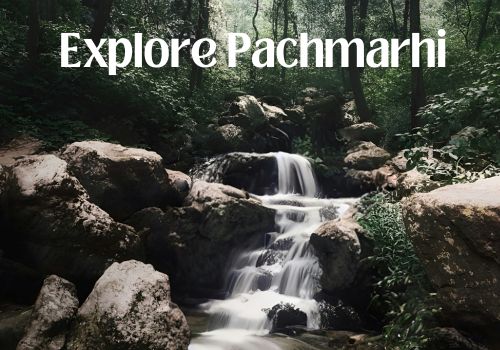
Pachmarhi, often called the "Queen of Satpura," is Madhya Pradesh's only hill station — a cool, forested plateau tucked into the Satpura Range at over 1,000 meters. For travelers weighing their options among the many places to visit in Pachmarhi, this guide covers the ten sights worth building a trip around, along with the practical details (timing, distance, difficulty) you need to plan the visit properly.
Whether you have a rushed weekend or a full week, here's everything worth seeing — and how to see it without missing the best of it.
Quick Trip Planner: Pachmarhi Essentials
Best time to visit: October to June is when Pachmarhi is most accessible, with October–February offering the coolest, clearest weather for trekking and sightseeing. The monsoon months (July–September) bring the waterfalls to full force but also landslide risk on some trails — check local conditions before planning waterfall-heavy days in this window.
How to reach Pachmarhi: The nearest railway station is Pipariya, about 52 km away, well connected to Bhopal, Nagpur, and Jabalpur. From Pipariya, taxis and buses cover the winding ghat road up to Pachmarhi in roughly two hours. The nearest airport is Bhopal (around 210 km).
Ideal duration: Three to four days lets you cover all ten sights below at a comfortable pace, with time for at least one full-day trek (Dhoopgarh or Chauragarh) and a half-day safari at Satpura National Park.
Entry note: Pachmarhi sits inside the Satpura Tiger Reserve buffer zone, so a few sights (including Satpura National Park itself) require permits arranged through the Madhya Pradesh Forest Department — worth booking a day or two ahead in peak season.
1. Bee Falls
Bee Falls is the most visited of all the Pachmarhi waterfalls, and for good reason — the water drops into a natural pool clean and calm enough to swim in, making it a favorite for families as well as trekkers. It sits about 4 km from the main town, an easy 30–40 minute walk or a short taxi ride.
Best time: Just after monsoon (September–November) for the strongest flow, though the pool is swimmable most of the year. Good to know: Changing rooms are available nearby; go early morning on weekends to beat the crowds.
2. Dhoopgarh
At 1,352 meters, Dhoopgarh is the highest peak in Madhya Pradesh, and its sunrise and sunset views across the Satpura hills are the single most-photographed moment of a Pachmarhi trip. Clouds frequently settle into the valleys below the summit, giving the effect of watching the sunrise above the weather itself.
Best time: Arrive before dawn for sunrise, or in the late afternoon for sunset — both are worth the trip separately if you have the days. Good to know: The trek is moderately steep; sturdy shoes are worth packing even if you're taking a jeep partway up.
3. Jata Shankar Cave
Dedicated to Lord Shiva, Jata Shankar Cave is formed by a natural rock structure shaped over centuries by an underground stream, said to represent Shiva's matted hair (jata). Beyond its religious weight, it's worth a visit for the geology alone — the rock folds and narrows in ways that feel deliberately carved.
Best time: Cooler months make the walk in more comfortable; the cave interior stays cool year-round. Good to know: It's a functioning temple, so modest dress is appreciated.
4. Pandav Caves
Local legend holds that the Pandava brothers from the Mahabharata sheltered here during their years of exile, giving these rock-cut shelters their name — though archaeologists date the caves to a period well before that legend. Either way, they're one of Pachmarhi's most significant heritage sites and sit close enough to town to combine easily with Bee Falls in the same outing.
Best time: Any time of year; the caves are a short, flat walk from the main road. Good to know: Look for the faint remnants of ancient rock art on some of the interior walls.
5. Handi Khoh
Handi Khoh is a deep, narrow gorge cut into dense forest — one of Pachmarhi's most dramatic viewpoints and a quick stop that rewards the short detour. The sheer drop and the way sound echoes through the gorge give it a wilder feel than some of the more manicured sights nearby.
Best time: Post-monsoon, when the forest is at its greenest. Good to know: Railings are minimal in places, so it's not the best stop for very young children.
6. Rajat Prapat (Silver Falls)
Pachmarhi's tallest waterfall, Rajat Prapat gets its "Silver Falls" name from the fine mist that rises off the water as it crashes down the rock face — from a distance, the whole falls can look like a sheet of silver. It's one of the more remote sights on this list, which keeps it quieter than Bee Falls even in peak season.
Best time: July to October, when the flow is strongest. Good to know: The viewpoint requires a short but steep walk down; budget extra time for the climb back up.
7. Gupt Mahadev Cave
"Gupt" means hidden, and this narrow cave temple lives up to the name — tucked away and easy to miss, it opens through a tight rock passage into a quiet chamber dedicated to Shiva. It's one to seek out deliberately rather than stumble onto, and it rewards travelers who enjoy the less-visited corners of a destination.
Best time: Any season; the narrow passage stays cool even in summer. Good to know: Not ideal for anyone uncomfortable in tight spaces — the entry passage is genuinely narrow.
8. Reechhgarh
Reechhgarh's natural rock formations create an open, amphitheater-like space that draws photographers and anyone curious about the region's geology. It sees far fewer visitors than the marquee sights, making it a good choice if you want a slower, quieter stretch of the day.
Best time: Morning light works best for photography here. Good to know: Often combined with Handi Khoh, as the two sit close together.
9. Chauragarh Temple
Perched on a hilltop and dedicated to Lord Shiva, Chauragarh is reached via a steep but clearly marked trekking trail of roughly 4 km, much of it in stone steps. Thousands of trishuls (trident offerings), left by generations of pilgrims, line the final approach to the summit — a striking sight whether or not you're making the climb for religious reasons.
Best time: Cooler months (October–February); the climb is demanding in summer heat. Good to know: The trek typically takes 2–3 hours each way — plan a full morning or afternoon for it.
10. Satpura National Park
For wildlife enthusiasts, Satpura National Park is reason enough to extend a Pachmarhi trip by a day or two. Unlike the more crowded tiger reserves elsewhere in Madhya Pradesh, Satpura is known for offering walking and boat safaris alongside the standard jeep routes — a genuinely different way to encounter its tigers, leopards, sloth bears, and rich birdlife.
Best time: The park is open October through June; walking safaris are best in the cooler months. Good to know: Permits are limited and should be arranged in advance, especially for walking safaris — check current details on the Madhya Pradesh Forest Department's tourism portal.
Frequently Asked Questions
How many days do you need in Pachmarhi? Three to four days is enough to see all the major sights at a comfortable pace, including one full-day trek and a half-day at Satpura National Park. A rushed weekend can cover the highlights (Bee Falls, Dhoopgarh, Pandav Caves) but will mean skipping the quieter spots like Gupt Mahadev and Reechhgarh.
What is the best time of year to visit Pachmarhi? October to June overall, with October–February offering the clearest skies and most comfortable trekking weather. Visit July–September if the waterfalls at full flow are the priority, but expect more rain-related disruptions.
Is Pachmarhi good for a family trip? Yes — Bee Falls, Pandav Caves, and Jata Shankar Cave are all easy, family-friendly outings close to town. The more strenuous treks (Dhoopgarh, Chauragarh) are better suited to older children and adults.
Do you need permits to visit Pachmarhi's attractions? Most sights are open without a permit, but Satpura National Park and parts of the surrounding forest fall inside a tiger reserve buffer zone and require permits arranged through the Forest Department — plan a day or two ahead in peak season.
Where to Stay in Pachmarhi
Pachmarhi's sights are spread across the plateau, so where you base yourself makes a real difference to how easy the trip feels day to day.
- WOWSTAYZ Ecotel is a good central base with easy access to both the town and the main trailheads — a solid pick if you're covering most of this list.
- WOWSTAYZ Foothill Cottages suits travelers who'd rather wake up closer to the forest than the market.
- WOWSTAYZ Misty Meadows is worth considering if quiet, green surroundings matter more to you than proximity to the center.
Pachmarhi rewards travelers who give it more than a single rushed day — between the waterfalls, the caves, and Dhoopgarh's sunrise, there's enough here for a genuinely full trip. Check availability and plan your stay with WOWSTAYZ before you go.
Popular
Top 10 Places to Visit in Pachmarhi: A Complete 2026 Guide
Dharamkot: The "Mini Israel" of India — Cafés, Treks & Where to Stay
Dalhousie – The Timeless Himalayan Retreat
Summers in Dharamkot
3-Day Pachmarhi Itinerary: The Perfect Weekend Getaway
Top 5 Pachmarhi Hidden Gems Most Visitors Miss
Top 10 Places to Visit in Dalhousie: A Complete 2026 Guide
Best Time to Visit Dalhousie: Season-by-Season Guide (2026)
Dalhousie Snowfall: Which Months It Snows & Where to See It (2026 Guide)
Dalhousie in October: Weather, What to Pack, and Where to Go
Dalhousie in September: Post-Monsoon Weather & Tips
Top 10 Best Resorts in Dalhousie for a Peaceful Himalayan Getaway (2026 Guide)

How to Reach Dalhousie: Distance & Route Guide from Delhi, Chandigarh, Amritsar
WOW STAYZ2 Ashoka Grand vs Staying Near Gandhi Chowk: Which Should You Book?
Dalhousie in November: Weather, What to Expect & What to Pack
Khajjiar: Complete Guide to the "Mini Switzerland of India"
The Lodge, Dharamkot vs Staying in McLeodganj: Which Should You Book?
Hotels Near Khajjiar: Why Ashoka Grand is the Smarter Base