Dalhousie Snowfall: Which Months It Snows & Where to See It (2026 Guide)
By reor
16.09.2026
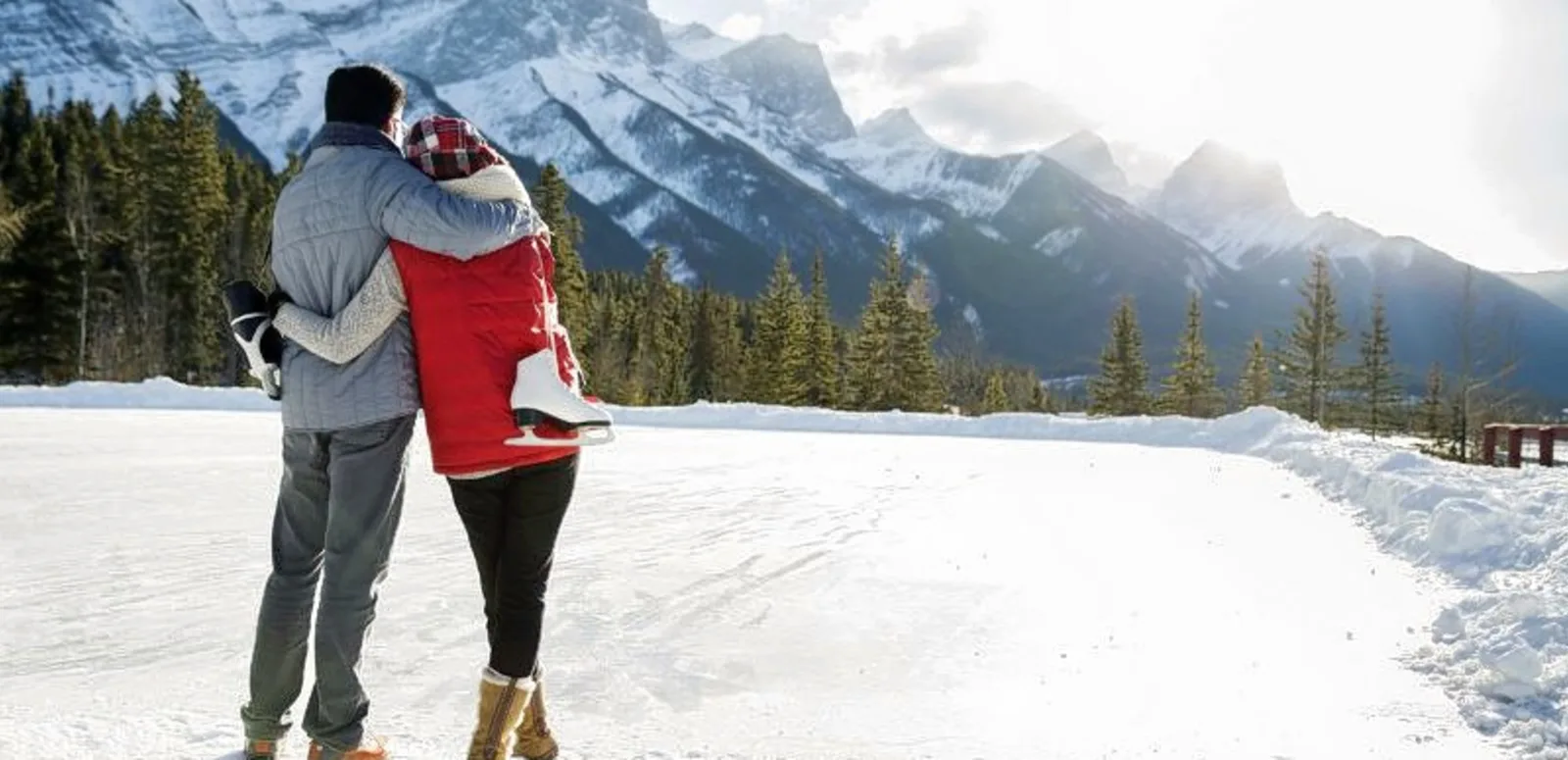
For many travellers, snow is the whole reason to visit Dalhousie. When winter settles over this Himachal hill station, its deodar forests, colonial lanes and the famous Khajjiar meadow turn soft and white — one of the most accessible snow experiences in North India. But snowfall isn't guaranteed on any given day, and knowing which months to target (and exactly where to go for it) makes all the difference between a snow-filled trip and a merely cold one.
This guide covers when it snows in Dalhousie, how heavy the snowfall usually is month by month, how it compares to other Himachal hill stations, the best places to actually see and play in the snow, and how to plan a safe, comfortable winter trip.
Quick Answer: When Does It Snow in Dalhousie?
Dalhousie usually receives snowfall between late December and February, with January being the most reliable month for heavy snow. Light early snow can sometimes arrive in December, and occasional spells stretch into early March in higher spots like Khajjiar and Dainkund Peak. If seeing snow is your main goal, plan your trip for January to mid-February.
How Does Dalhousie's Snow Compare to Manali or Shimla?
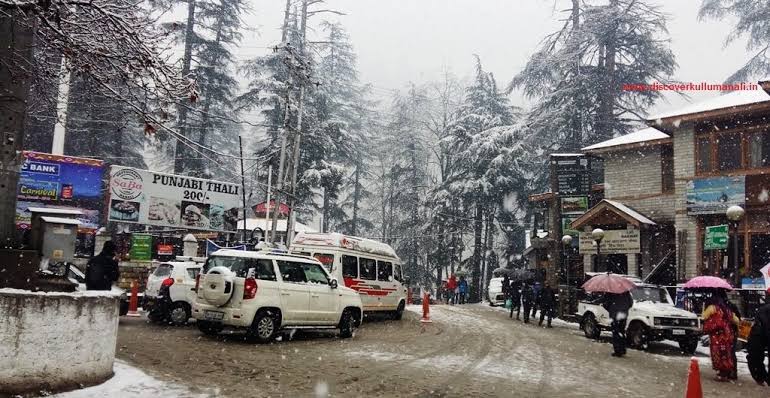
Dalhousie sees noticeably lighter and less frequent snowfall than Manali or Shimla — it's a gentler, more accessible winter experience rather than a heavy-snow destination. Where Manali often gets thick, prolonged snow cover through much of winter, Dalhousie's snowfall is more occasional and tends to melt faster in town, though it holds longer at Khajjiar and Dainkund Peak. This makes Dalhousie a good choice if you want a real snow experience without the crowds, traffic, and inflated winter pricing that Manali sees — but if guaranteed heavy snow for multiple days is the priority, Manali or Shimla are more reliable bets.
Quick Reference: Dalhousie Snow by Month
| Month | Snow Likelihood | Typical Day Temp | Typical Night Temp | Best For |
|---|---|---|---|---|
| November | Very low | 12–18°C | 4–8°C | Clear-weather sightseeing |
| December | Moderate (2nd half) | 6–12°C | 0–4°C | First snow, festive season |
| January | High (peak) | 2–8°C | -2–2°C | Guaranteed snow experience |
| February | High (easing late) | 4–10°C | 0–4°C | Backup snow window, fewer crowds |
| March | Low (higher altitude only) | 10–16°C | 4–8°C | Transitional, patchy snow at Khajjiar |
Dalhousie Snowfall Month by Month
December
Early winter. The cold sets in sharply through December, and the first snowfall of the season often arrives in the second half of the month — though it can be light and doesn't always settle. The stretch around Christmas and New Year is festive and popular, so while snow isn't certain, the atmosphere is at its coziest. If you're visiting for the holidays, treat any snow as a bonus rather than a guarantee.
January
Peak snow season. January is the coldest month and the most dependable time for proper snowfall in Dalhousie and Khajjiar. Fresh snow is common, the landscapes are at their most striking, and the chances of seeing (and playing in) snow are highest. This is the month to choose if snow is non-negotiable — just come prepared for genuinely cold days and freezing nights.
February
Late winter, still excellent. February continues to see good snowfall, especially in the first half, while gradually becoming a touch less harsh than January. It's a strong choice for travellers who want snow with slightly more forgiving conditions, and the higher points around town often hold their snow well into the month.
March
The tail end. By March the snow is usually melting in the town itself, but higher and shaded spots — parts of Khajjiar and Dainkund Peak — may still hold patches of snow early in the month. Occasional late-season snowfall is possible but unreliable. This is the crossover into spring rather than a dependable snow month.
Where to See Snow in and Around Dalhousie
Khajjiar
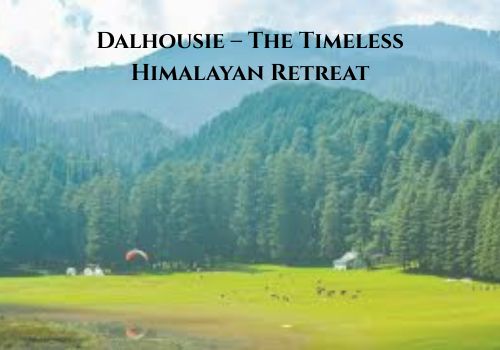
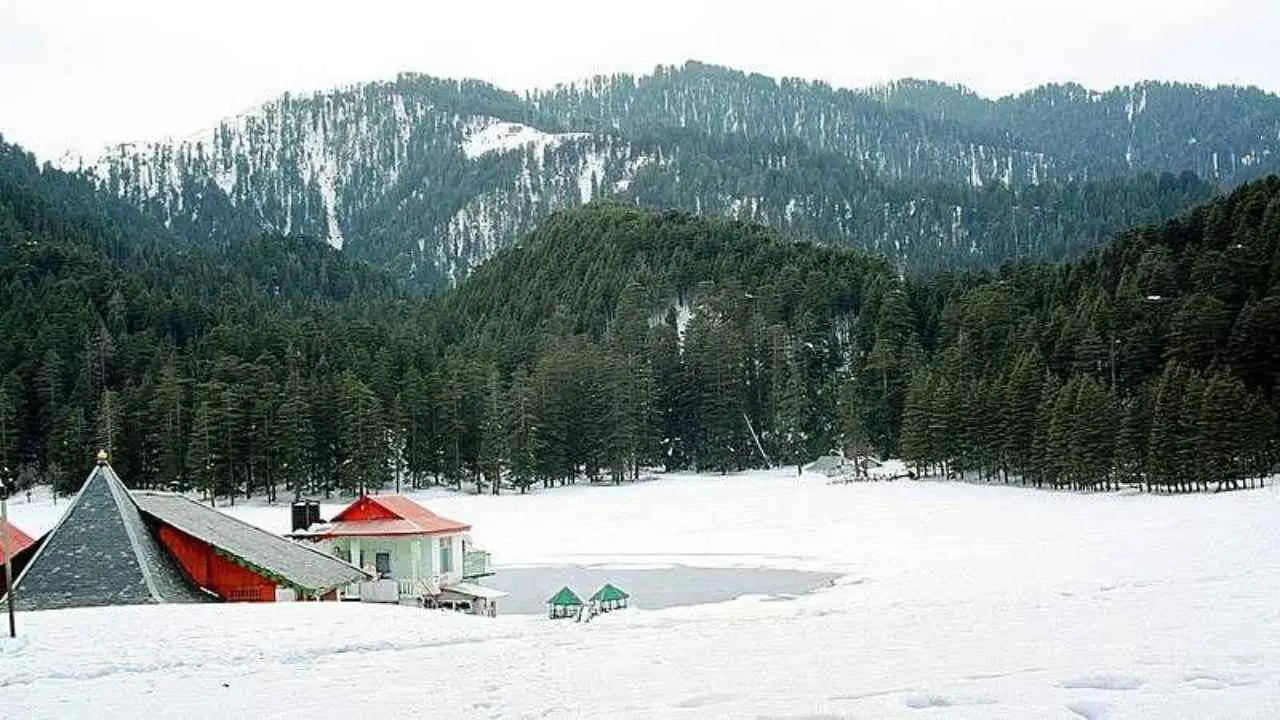
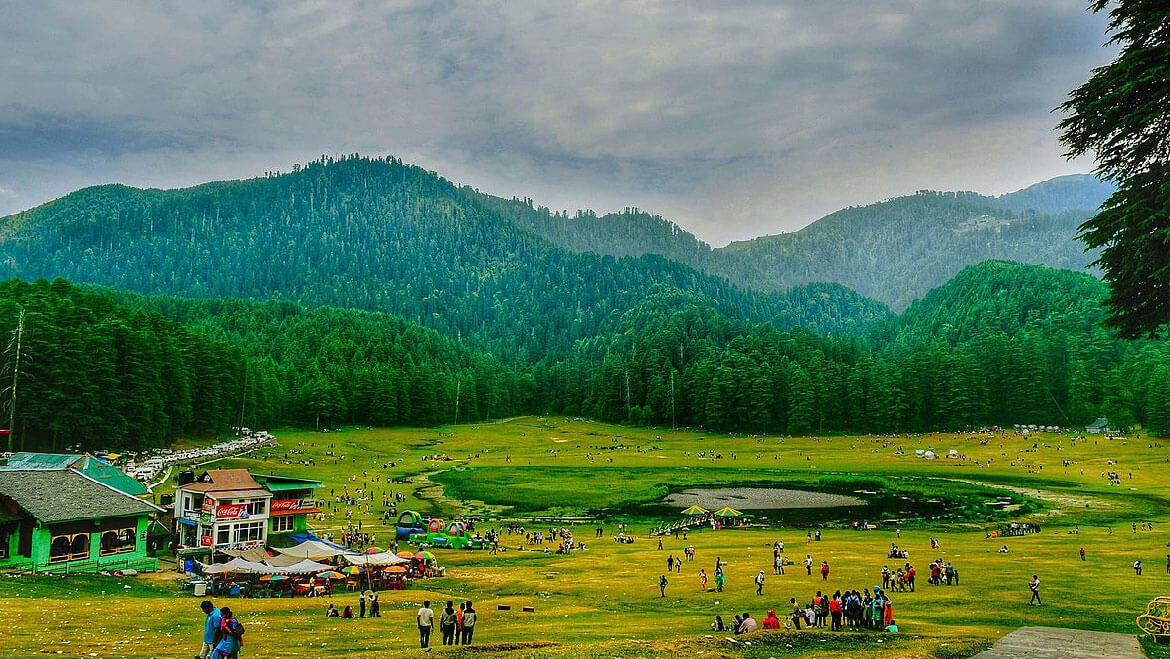
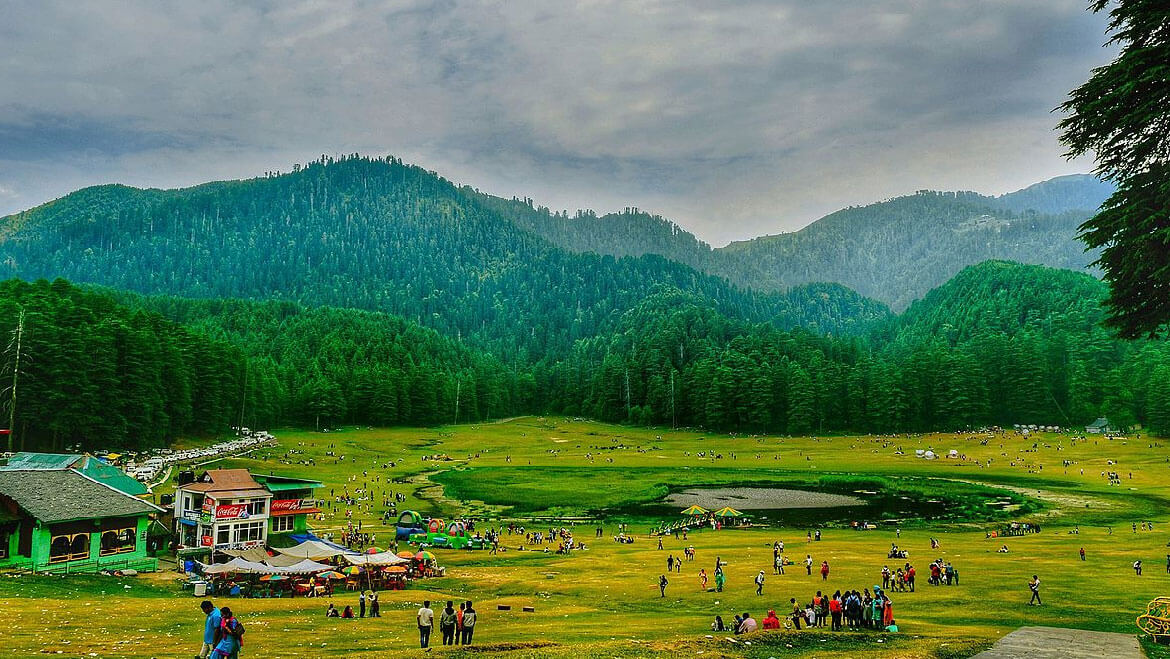
The star of a Dalhousie winter. About 24 km away through the Kalatop forest, the wide Khajjiar meadow — the "Mini Switzerland of India" — becomes a vast open field of snow, perfect for photos, snowball fights and simply taking it all in. It's the top snow destination in the area and the highlight of most winter trips.
Dainkund Peak
As the highest point around Dalhousie, Dainkund holds snow well and offers spectacular white-mountain panoramas. The trek up is more demanding in winter, but the payoff is some of the best snow views in the region.
Kalatop Wildlife Sanctuary
The forested route between Dalhousie and Khajjiar turns beautifully wintry, with snow settling among the deodars. It's a scenic drive-and-walk that pairs naturally with a Khajjiar trip.
Dalhousie Town — Gandhi Chowk & the Walking Roads
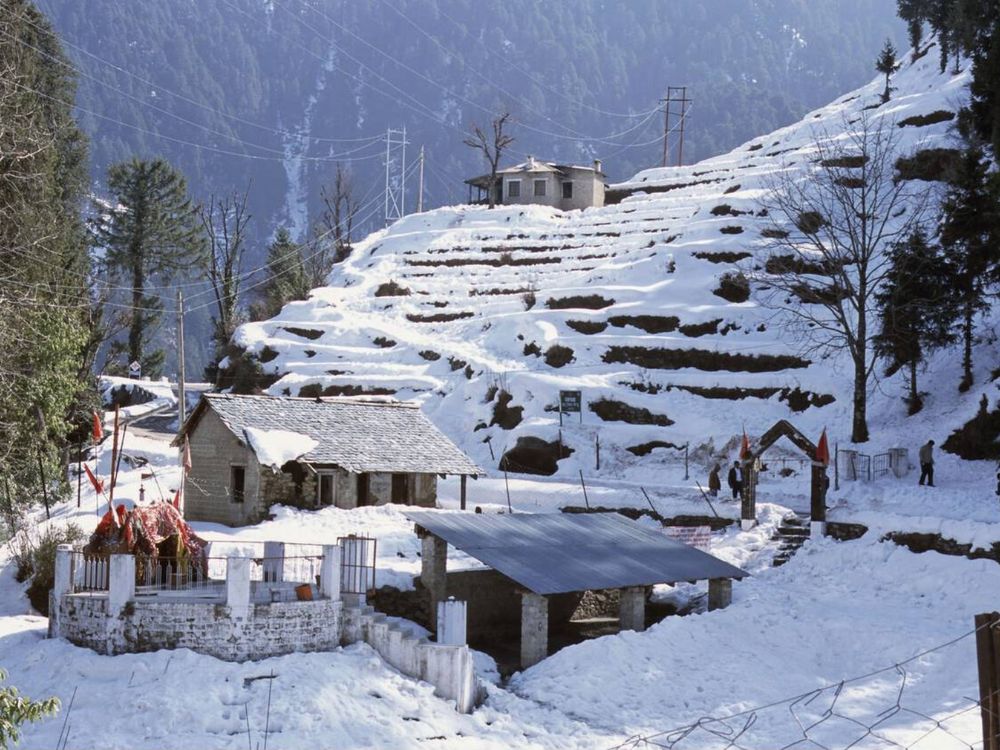
You don't always have to travel far. In a good snow spell, the town itself — Gandhi Chowk, Subhash Chowk, and the Garam Sadak and Thandi Sadak walking roads — gets its own dusting, making for lovely, low-effort snow strolls right from your hotel.
How Much Snow Actually Falls?
Dalhousie's snowfall tends to come in short, intense spells rather than continuous multi-day accumulation. A typical January snowfall event might leave 2–6 inches in town and noticeably more at Khajjiar and Dainkund, which sit at higher elevation. Snow in town usually melts within a few days unless temperatures stay consistently below freezing, while higher points can hold their cover for a week or more after a good snowfall. This is worth knowing if your trip is short — timing your Khajjiar day trip for a day or two after fresh snowfall (rather than immediately after, when roads may still be difficult) often gives the best combination of deep snow and clear access.
Is It Safe to Drive and Trek in the Snow?
Local taxi drivers in Dalhousie are experienced with winter roads, and most day-trip routes to Khajjiar remain passable except immediately after the heaviest snowfalls. That said, a few practical precautions matter:
- Avoid self-driving unfamiliar hill roads in snow — hire a local driver who knows current road conditions, especially for the Khajjiar and Dainkund routes.
- Check road status before setting out — hotel staff and local taxi stands usually have same-day updates on which roads are open.
- Trekking to Dainkund Peak in snow requires proper footwear with grip; the trail can be slippery, and going with a local guide is recommended in heavier snow years.
- Start early — winter daylight is short, and roads are safer to travel before temperatures drop sharply after dark.
Best Time of Day for Snow Photography
Early morning (7:30–9:30 AM) offers the clearest light and freshest, least-disturbed snow at Khajjiar meadow, before foot traffic and melting set in. Late afternoon light around 4–4:30 PM gives warmer tones on the Dhauladhar peaks visible from Dainkund, but the meadow snow itself photographs best earlier in the day.
Winter Weather in Dalhousie: What to Expect
Winter days in Dalhousie are cold but often sunny, while nights drop close to or below freezing, especially in January. On snow days, temperatures stay low through the day. Roads to Khajjiar and Dainkund can occasionally be slowed or temporarily blocked after heavy snowfall, so a flexible plan helps. Overall, expect crisp, bright mornings, sharp cold after dark, and the very real possibility of waking up to fresh snow in peak season.
What to Pack for a Snow Trip to Dalhousie
Come prepared for real mountain cold. Bring heavy woollens and a good insulated jacket, thermal innerwear, a warm hat, gloves and a scarf, and waterproof shoes with grip for snow and slush. A power bank (cold drains batteries fast), lip balm and moisturiser for the dry air, and a small flask for hot drinks all make winter days far more comfortable. If you plan to trek up Dainkund, sturdy, warm footwear is essential.
Tips for Planning a Snow Trip to Dalhousie
Aim for January to mid-February for the best snow odds, and book your stay early — winter, especially around New Year, is a popular time. Keep a day of buffer in your itinerary in case snow affects the roads, and check local weather and road conditions before setting out for Khajjiar or Dainkund. Start day trips early so you're back before dark, when temperatures fall sharply. And remember that snowfall is a natural event — even in peak season it's likely rather than guaranteed, so plan the trip to be rewarding either way.
If you're still deciding when to go rather than committing to a snow-specific trip, our Best Time to Visit Dalhousie guide breaks down every season, not just winter.
Traveling with Kids or Elderly Family in Winter
Dalhousie's winter is generally manageable for families, but a few adjustments help. Keep day trips to Khajjiar shorter and more flexible for young children or elderly travelers who tire in the cold faster. Choose a hotel with reliable heating and hot water rather than relying solely on the scenery — ask directly before booking, since not every hill-station property manages winter heating equally well. Carry extra layers rather than one heavy layer, since it's easier to adjust to sudden temperature swings between sunny midday and freezing evenings.
How to Reach Dalhousie
By air: The nearest airport is Gaggal (Kangra), about 108–120 km away, with taxis running onward to Dalhousie.
By train: Pathankot, roughly 80 km away, is the nearest major railway station, well connected to Delhi and Amritsar. Taxis and buses cover the climb up to Dalhousie.
By road: Good mountain roads connect Dalhousie to Pathankot, Chamba, Dharamshala and Amritsar. In winter, drive cautiously and check conditions after heavy snow.
For exact distances and routes from Delhi, Chandigarh, Amritsar and Shimla, see our full How to Reach Dalhousie: Distance & Route Guide.
Where to Stay for a Winter Trip — WOW Stayz Ashoka Grand
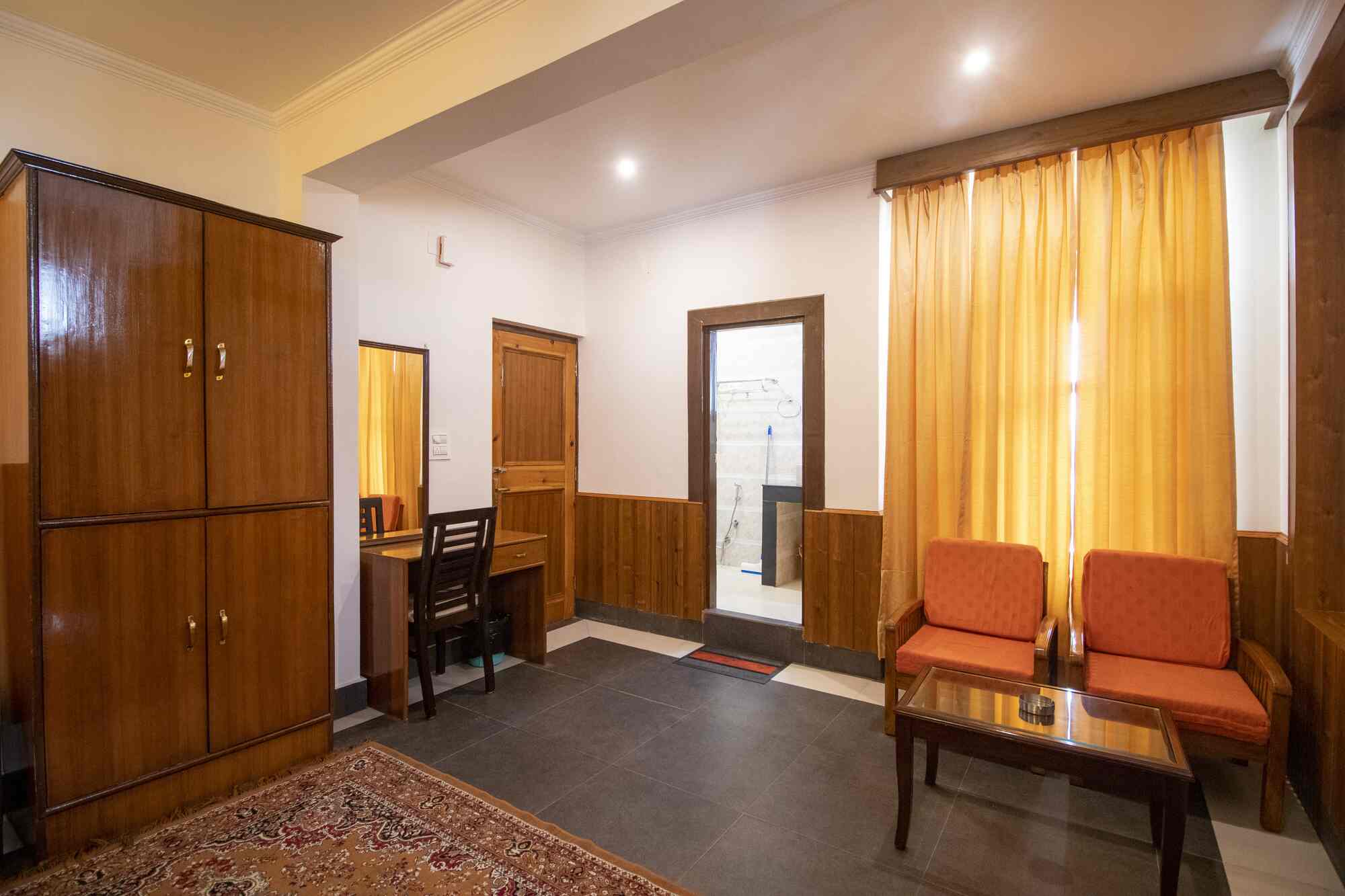
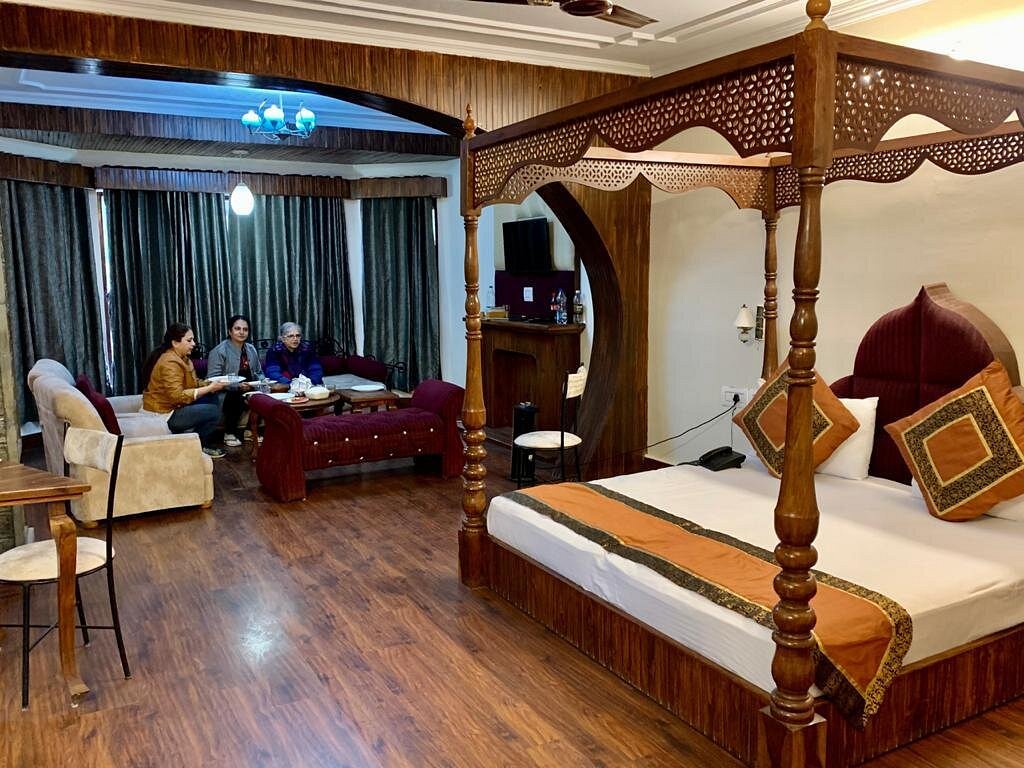
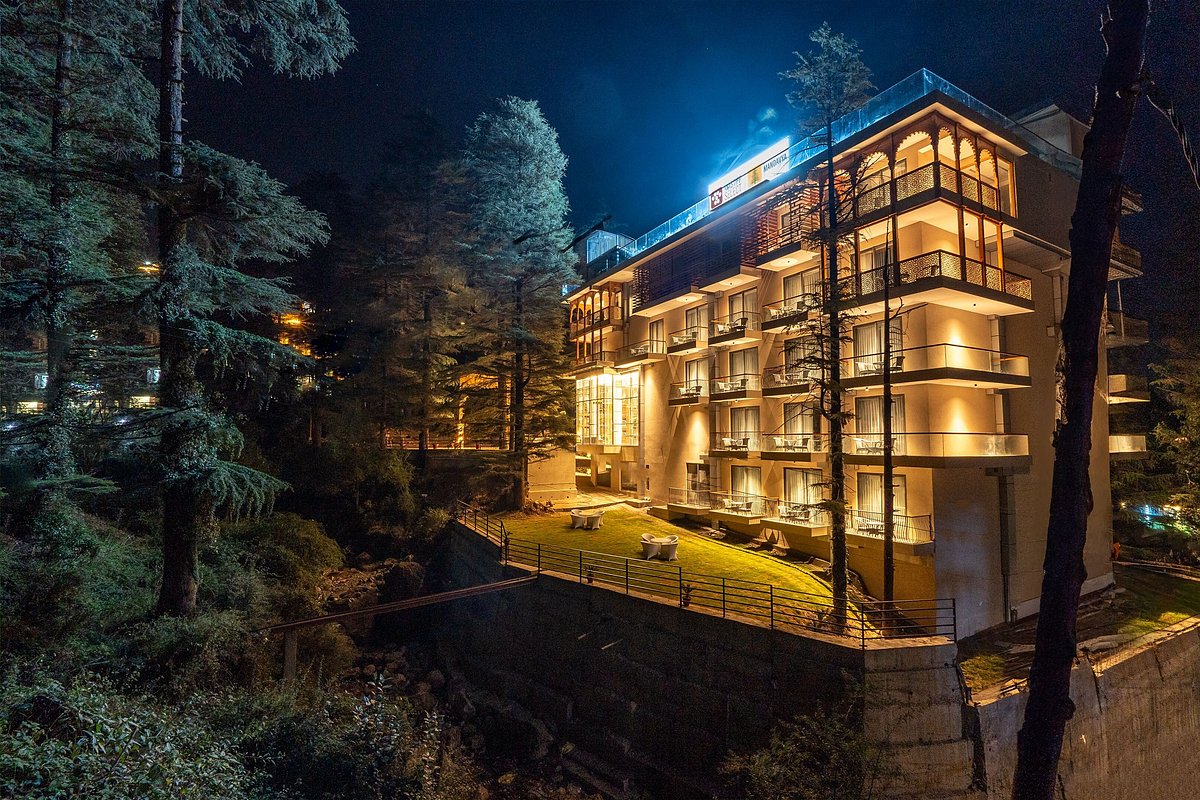
A warm, well-located base matters more in winter than any other season. WOW Stayz Ashoka Grand is a four-star resort set in the forested Talai belt, about 10 km from Gandhi Chowk, surrounded by pine forest and facing stunning Dhauladhar views — a quieter, more scenic base for winter, with easy road access to both the town and the route out to Khajjiar. With comfortable mountain-view rooms, modern amenities and free cancellation, it's a reliable choice for a cold-weather getaway.
Check rooms, tariff, and availability at Ashoka Grand, Dalhousie →
Frequently Asked Questions
Which month has the most snowfall in Dalhousie?
January is the coldest month and the most reliable for heavy snowfall in Dalhousie and Khajjiar.
Does it snow in Dalhousie in December?
Often, yes — the first snowfall of the season typically arrives in the second half of December, though it can be light and doesn't always settle.
Can you see snow in Dalhousie in February?
Yes. February continues to see good snowfall, especially in the first half of the month, making it one of the best times for a snow trip.
Where is the best place to see snow near Dalhousie?
Khajjiar, about 24 km away, is the top spot — its wide meadow turns into an open field of snow. Dainkund Peak and the Kalatop forest route are also excellent.
Is snowfall guaranteed in Dalhousie in winter?
No — snowfall is likely in peak winter (January and February) but never guaranteed on any specific date, as it depends on natural weather patterns.
What should I pack for snow in Dalhousie?
Heavy woollens, an insulated jacket, thermals, gloves, a warm hat, and waterproof shoes with good grip are essential for a winter trip.
How does Dalhousie's snow compare to Manali's?
Dalhousie gets lighter, more occasional snowfall than Manali, with less multi-day accumulation — a gentler winter experience with fewer crowds, though Manali is the more reliable choice for guaranteed heavy snow.
Is it safe to drive to Khajjiar after snowfall?
Local taxis generally manage the route well except right after the heaviest snowfalls. Hiring a local driver rather than self-driving is recommended, and checking same-day road status before heading out is standard practice.
Plan Your Dalhousie Snow Trip
If a white winter is what you're after, Dalhousie is one of the easiest and most rewarding places in Himachal to find it. Target January to mid-February, head to Khajjiar for the best of the snow, pack warm, and keep your plans flexible. Do that, and there's a very good chance you'll wake up to fresh snow on the deodars right outside your window.
Popular
Top 10 Places to Visit in Pachmarhi: A Complete 2026 Guide
Dharamkot: The "Mini Israel" of India — Cafés, Treks & Where to Stay
Dalhousie – The Timeless Himalayan Retreat
Summers in Dharamkot
3-Day Pachmarhi Itinerary: The Perfect Weekend Getaway
Top 5 Pachmarhi Hidden Gems Most Visitors Miss
Top 10 Places to Visit in Dalhousie: A Complete 2026 Guide
Best Time to Visit Dalhousie: Season-by-Season Guide (2026)
Dalhousie Snowfall: Which Months It Snows & Where to See It (2026 Guide)
Dalhousie in October: Weather, What to Pack, and Where to Go
Dalhousie in September: Post-Monsoon Weather & Tips
Top 10 Best Resorts in Dalhousie for a Peaceful Himalayan Getaway (2026 Guide)

How to Reach Dalhousie: Distance & Route Guide from Delhi, Chandigarh, Amritsar
WOW STAYZ2 Ashoka Grand vs Staying Near Gandhi Chowk: Which Should You Book?
Dalhousie in November: Weather, What to Expect & What to Pack
Khajjiar: Complete Guide to the "Mini Switzerland of India"
The Lodge, Dharamkot vs Staying in McLeodganj: Which Should You Book?
Hotels Near Khajjiar: Why Ashoka Grand is the Smarter Base
Khajjiar in November: Weather, Crowds, and What to Expect
Best Time to Visit Khajjiar: A Month-by-Month Guide
Top Hotels in Dharamkot, Himachal
Best Hotels in Dalhousie: How to Choose by Area
Dalhousie in December: Weather, Snow Chances & Travel Guide